
Recent tourism data shows that Bali continues to attract more international visitors — especially into the 2025 festive season and going into 2026. Arrivals are increasing, flights are full, and the island remains one of the most in-demand destinations globally.
However, traveller behaviour is changing.
And this shift is extremely relevant for property investors.
Demand Is Moving Away from Hotels — Toward Villas
Google search data clearly shows a behavioural change:
| Keyword | Avg. Monthly Searches | 3-Month Change | YoY Change |
|---|---|---|---|
| bali hotels | 18,100 | +22% | –63% |
| bali villas | 18,100 | 0% | –33% |
| bali villas for rent | 5,400 | +50% | 0% |
| canggu hotels | 5,400 | 0% | –70% |
| canggu residence | 90 | +27% | +600% |
| canggu villas | 5,400 | 0% | +19% |
| canggu villas for rent | 590 | +177% | +85% |
What this means:
- Search interest for hotels is declining sharply year-on-year.
- Search interest for villas, residences, and villa rentals is rising — especially in lifestyle hubs like Canggu.
- The strongest growth is in longer-stay and private accommodation intent, not short-stay hospitality.
In other words: people are not just visiting Bali — they are staying longer, travelling differently, and choosing private living over traditional hotels.
The Rise of the “Hybrid Tourist”
The modern Bali visitor is no longer just a tourist. They are:
- Remote workers
- Long-stay travellers
- Seasonal residents
- Digital nomads
- Families staying for weeks or months
These visitors:
- Need space
- Want privacy
- Want kitchens, pools, workspaces
- Prefer local neighbourhoods over resort zones
That explains why:
- “Hotels” searches are falling.
- “Villas for rent” searches are rising.
- “Residences” and lifestyle keywords are exploding.
This is not a temporary trend — it’s a structural change in how people use Bali.
Why This Is a Powerful Signal for Investors
From an investment perspective, this is exactly what you want to see:
✔ Demand moving toward asset-based accommodation (villas) instead of service-based accommodation (hotels).
✔ Rising intent around rentals, not just stays.
✔ Growth in specific lifestyle locations like Canggu, not generic tourism zones.
This means:
- More demand for rental villas
- Higher occupancy stability
- Longer average stays
- Less seasonality risk
- Stronger yield consistency
Which ultimately supports:
- Higher valuations for well-located villas
- Strong resale demand
- And better long-term capital protection
Why This Is an Opportunity for Airbnb and Short-Term Rental Investors
This behavioural shift directly benefits villa owners — especially those operating on platforms like Airbnb, Booking.com, or through private management.
Because the modern traveller is actively searching for:
- “Villa for rent”
- “Private villa”
- “Residence in Canggu / Ubud / Uluwatu”
Not:
- “Hotel room”
- “Resort package”
This means:
- Higher demand for private listings
- Better occupancy for well-designed villas
- Strong pricing power during peak and shoulder seasons
- Longer average stays compared to hotels
In practical terms, this allows investors to:
- Achieve higher nightly rates than traditional rentals
- Flex between personal use and rental income
- Adapt pricing dynamically based on demand
- Capture premium value for privacy, design, and location
Instead of competing with hundreds of hotel rooms, your villa competes with a smaller, more differentiated pool — which is exactly where pricing power exists.
What Kind of Villas Perform Best in This Market
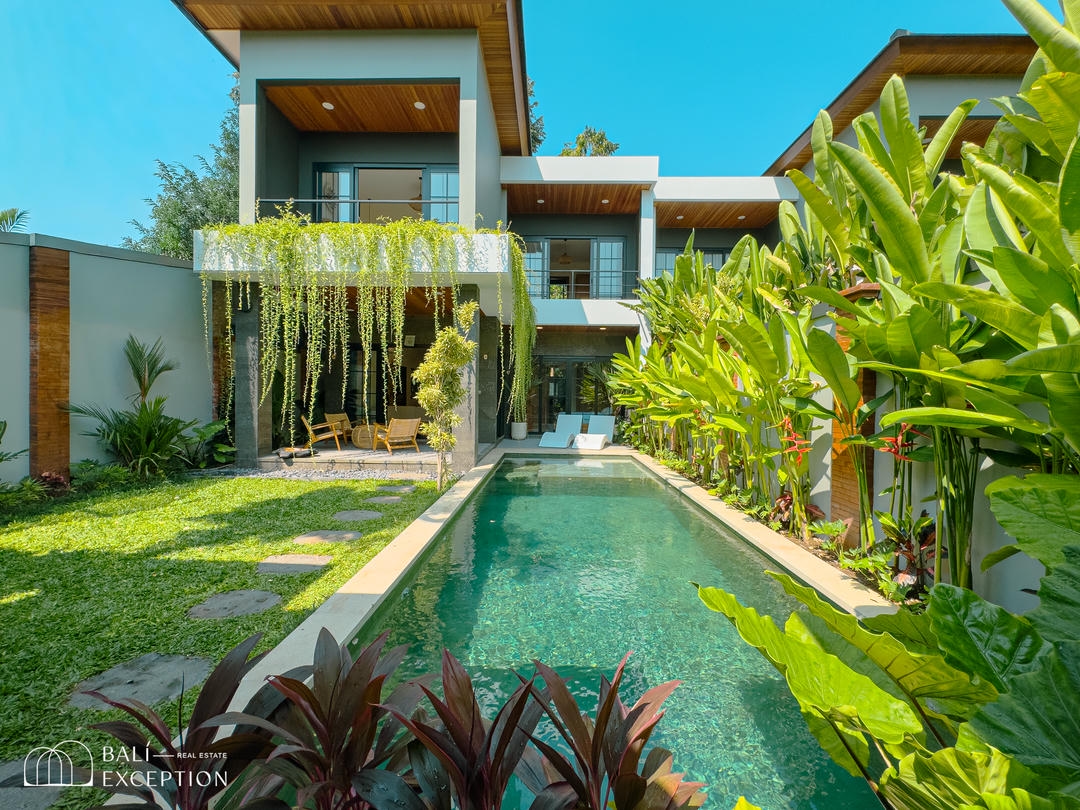
Not all villas benefit equally. The ones that perform best tend to be:
- 1–3 bedroom villas (high liquidity and broader demand)
- In walkable, lifestyle-driven areas (Canggu, Pererenan, Ubud, Bingin, Uluwatu)
- With strong design, natural light, and privacy
- Zoned correctly for rental (tourism or mixed-use)
- Professionally managed
These villas match exactly what today’s traveller is searching for.
And because demand is organic (search-driven), not forced by marketing, these properties tend to enjoy stronger long-term performance.
Bottom Line
Bali is not losing visitors. It’s gaining a different kind of visitor.
And that visitor is not searching for hotels.
They’re searching for villas, residences, and places to live.
For investors, this is one of the clearest demand signals you can get.
The opportunity is not in building more hotel rooms — it’s in owning and operating high-quality private villas that match how people actually travel today.
At Bali Exception, this is the trend we structure our recommendations around — helping investors align their purchases with real demand, not outdated assumptions.
Because in property, success doesn’t come from following tourism numbers.
It comes from following behaviour.
And behaviour has clearly shifted.
